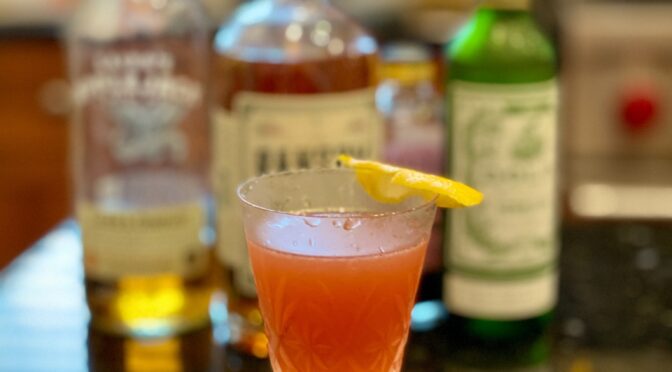
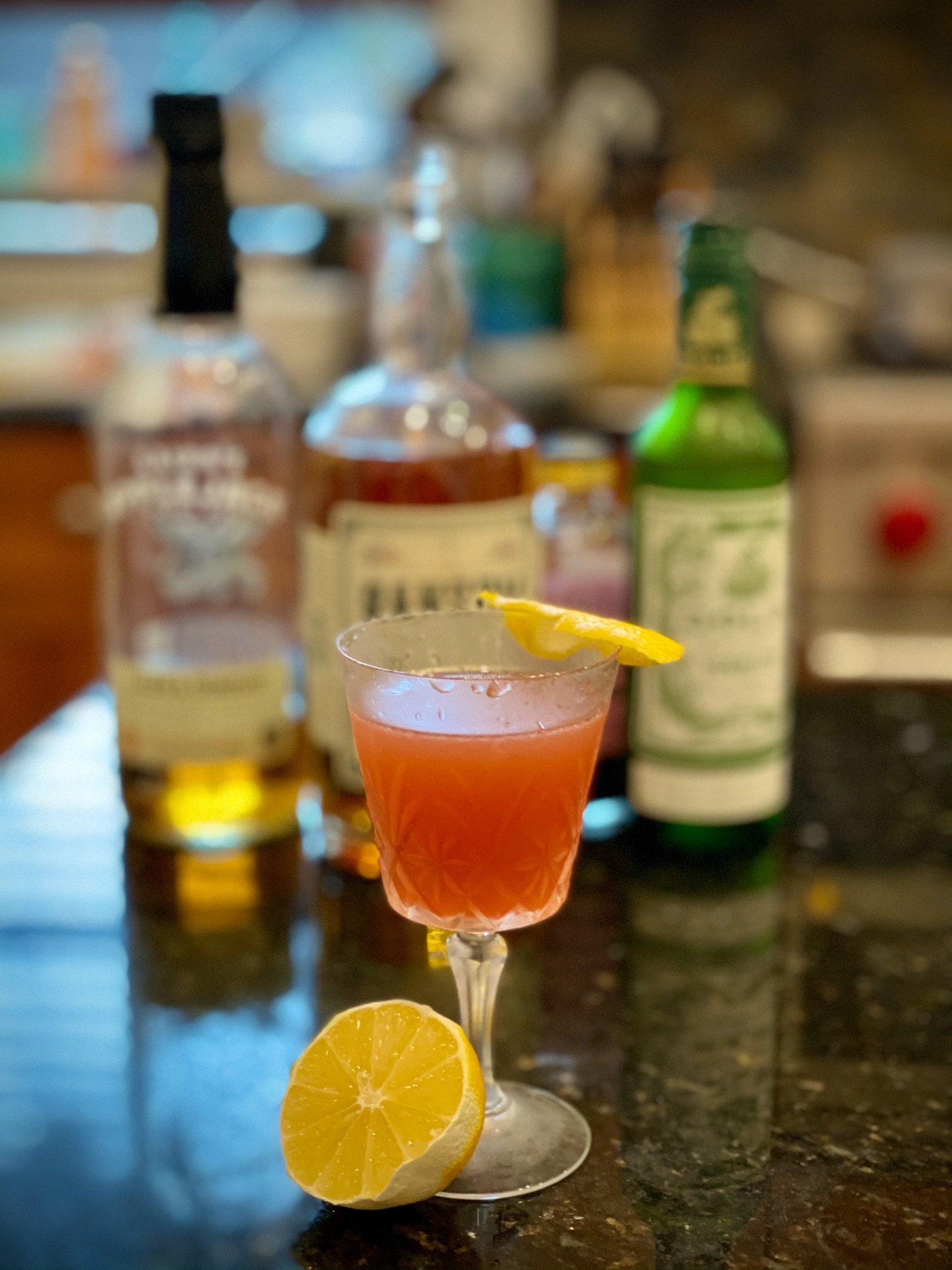
Growing up in historic Savannah, Georgia, our house served double duty as the home to my mom’s rare book and print business. Called The Printed Page, all those books instilled a love of books of all sorts. Getting into mixology during quarantine, I picked up several cocktail histories – I recommend anything written by David Wondrich – and spent a fair amount of time hunting down historic recipes online. This is one of those recipes from a 1934 booklet by Lairds Distillery of New Jersey, the oldest in America and the recipient of Distillery License No. 1 from the U.S. Treasury in 1780. This drink is named after a defunct New York City restaurant and its namesake cocktail. I’d still love to find some vintage cocktail books…they have to be out there somewhere!
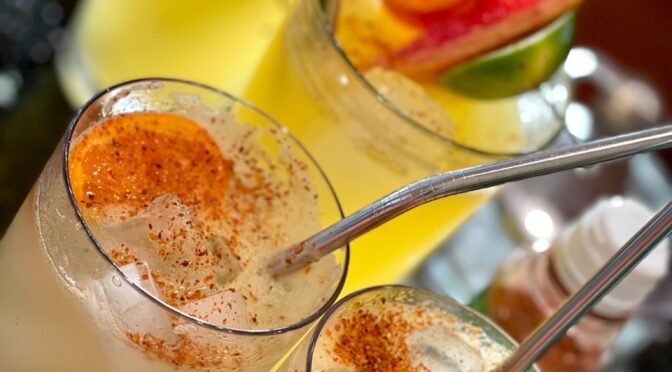
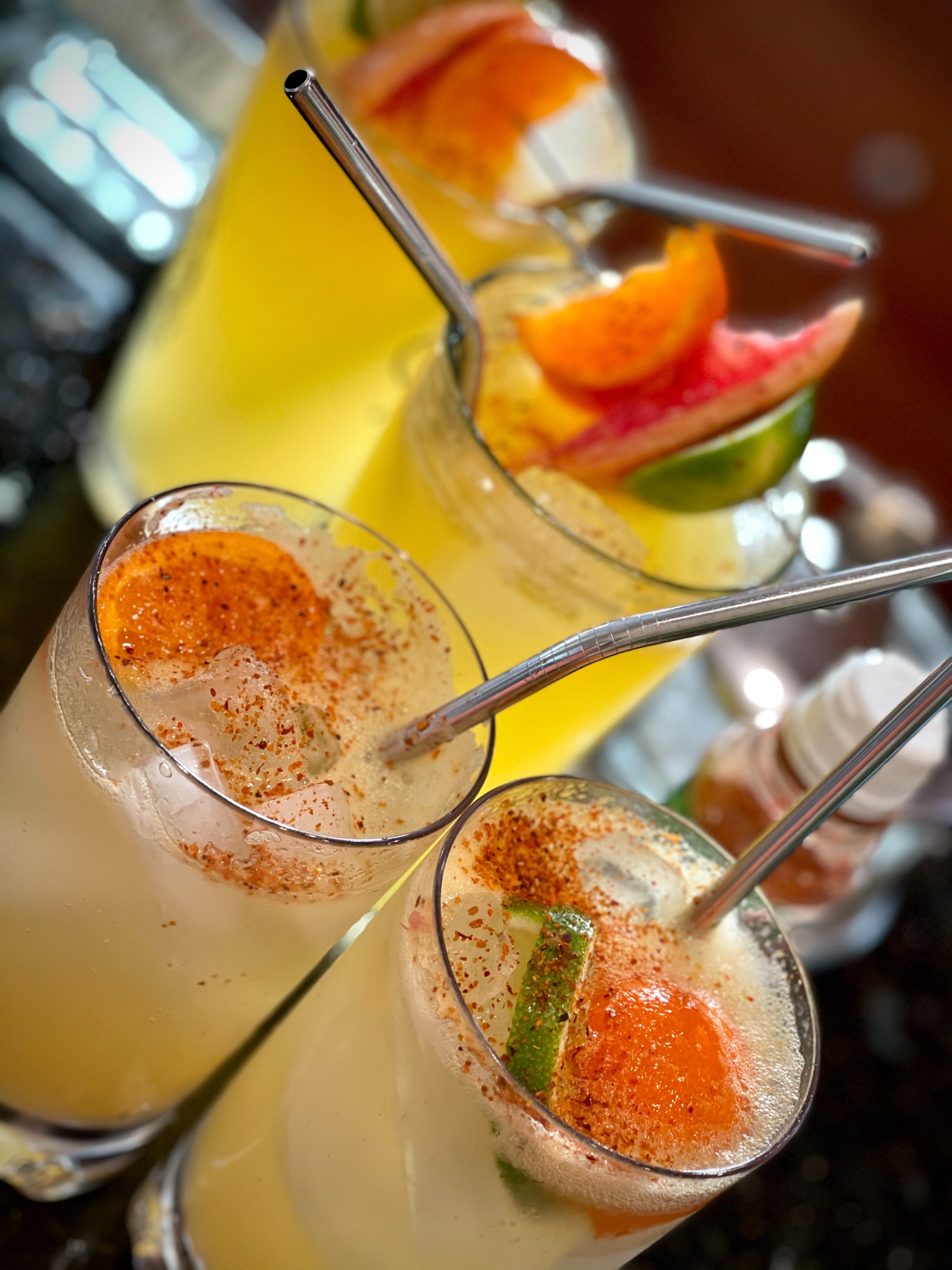
Drinking a cocktail out of a clay planter? Well, yes, I’d love to! I first enjoyed a Cantorito at the now- defunct El Mexicano, an authentic Mexican joint in our neighborhood. And yes, it was served in a shallow clay pot with multiple straws. Basically, it’s a Mexican- inspired Scorpion Bowl In the end, the Cantarito is a dressed-up margarita, using various fruit juices and sweetened by soda. You can use the less- sugary Squirt or even use Topo Chico grapefruit flavor, although you might need to slip a 1/4 oz. of simple syrup into the drink if you do.
Born in the 1930s, the tiki movement contributed amazing creations to the craft of mixology. The challenge we face today is in recognizing that tiki’s positive contributions are often overshadowed by the misuse of religious symbolism, ignorance of indigenous people, and a generally colonialist view of the entire Pacific Rim. Recent movements like “Doom Tiki” that replace exploitative imagery with death-metal, rockabilly or even just sci-fi themes are early steps toward fixing what’s broken. Enjoy the drinks, but know your history. Read on for a great Tropical Cocktail, The Captain’s Grog.
The Celine Fizz is another riff from bartender Phil Ward of Death & Company fame, updating the classic Ramos Gin Fizz,. St-Germain (an elderflower liqueur) brings a lovely floral note to the velvety texture and tart- sweet effervescence of this elegant riff on a standard Fizz. The New Orleans’s Ramos, notorious for taking an inordinately long time to dry shake the egg white to create a foam column rising above the rim of your collins glass, and is no joke. I got my upper body workout for the day when I made this one. Tip: have your ingredients as cold as possible, and put the coil from your strainer in the tin when shaking. Here we use Plymouth Gin, St-Germain elderflower liqueur along with the sour and sweet elements of lemon, simple syrup, and finally, that all-important egg white.
In a cocktail shaker, combine the gin, St-Germain, Fresh Squeezed Grapefruit Juice, simple syrup, Fresh Squeezed Lemon Juice, orange bitters, shaker coil, and egg white and shake well.
Add ice to the shaker and shake again.
Strain the cocktail into a chilled fizz glass or flute.
Place glass in freezer for ten minutes.
Poke a hole in the middle with your straw, then gently pour club soda down the hole.
A column of foam should rise above the top of the glass.
Pinch the grapefruit twist over the drink and rub it around the rim of the glass, drop in or discard.