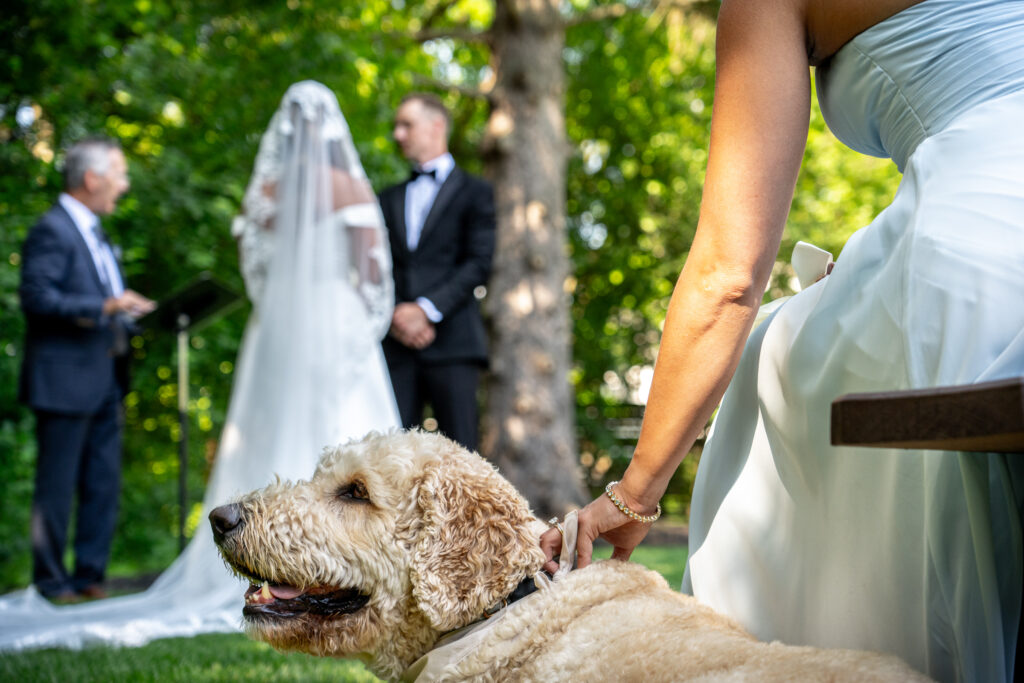

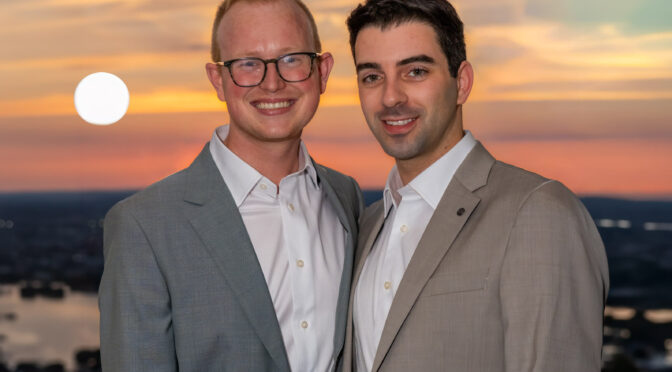
During the last weekend of August, Amy’s nephew tied the knot with the love of his life, Logan Dinkins. The timing worked nicely for the Trotz family – Friday through Sunday for the wedding, Monday-Thursday to get Noah settled in as a freshman at Tufts University across town.
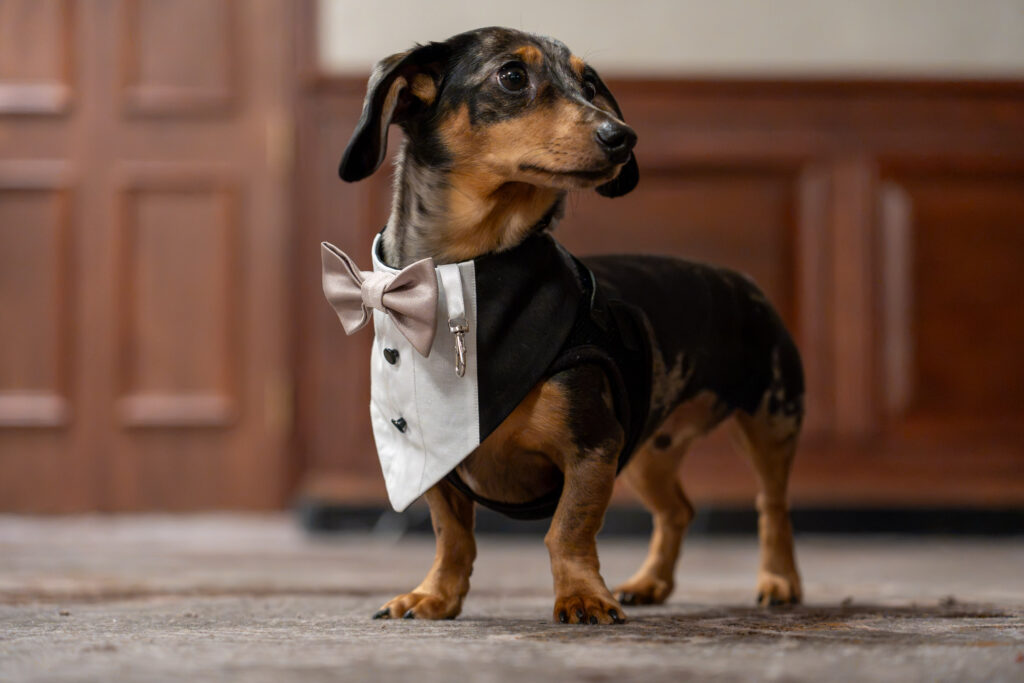
The venue (the Parker House in downtown Boston) was just perfect for the event. With a legendary past including the creation of the Parker House roll and Boston Cream pie, the hotel restaurant was also the spot wehre JFK proposed to Jackie. And the weddign ceremony itself was held in the hotel’s Press Room — where JFK held his bachelor’s party. Following that event, Amy and I were off to Medford/Sommerville MA, where we got Noah settled into the freshman dorm.
Click ‘continue reading’ to see the full gallery. Click on any photograph to view full screen. You can navigate with left/right arrows or click the on-screen versions at either edge of the image. ESC or click the upper right ‘X’ to return to gallery view. There’s also a self-playing slideshow you can kick off.
Continue reading Austin & Logan’s Wedding Extravaganza