The Last Word is far from the final statement on 4-ingredient cocktails, but it could be one of my favorites. Originally the Prohibition-era signature drink of the Detroit Athletic Club, the recipe was published in the 1950s but didn’t become part of the cocktail revolution until just this side of the turn of the century. It was almost lost to obscurity until it was rescued in the mid-aughts by a Seattle bartender. It’s amazing how differently these variations taste, with huge swings in flavor profile but barely different ingredients. The possibilities here are endless, and serve as the ideal template for further experimentation. One variant, The Paper Plane made up of equal parts bourbon, Amaro Nonino Quintessentia, and lemon, is one of my absolute favorites.
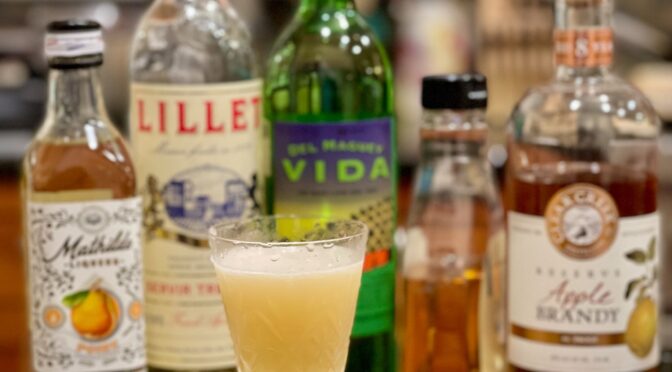
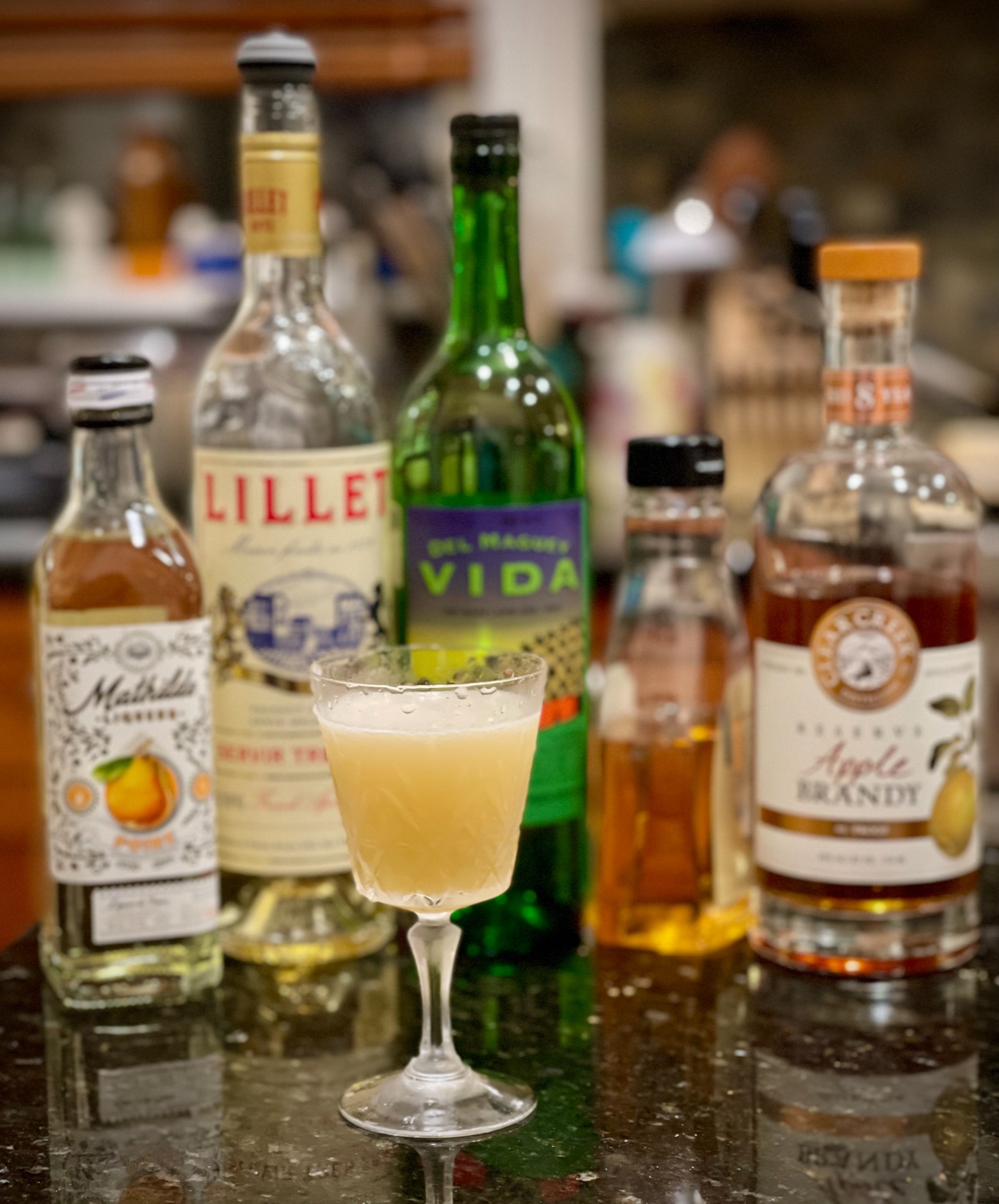
After a freezing evening of astronomy, I thought “Fire in the Orchard” this would fit the bill. Created at No 9. Park in Boston, the fire comes from Del Maguey single-village origin mezcal, while apple brandy and pear liqueur supply the fruit. Lemon and agave give balance to the mezcal’s smoke.
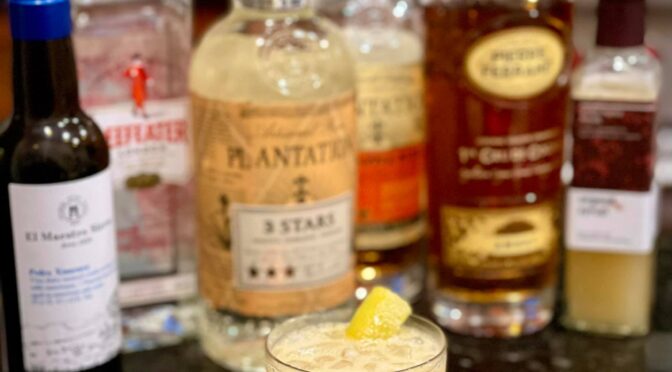
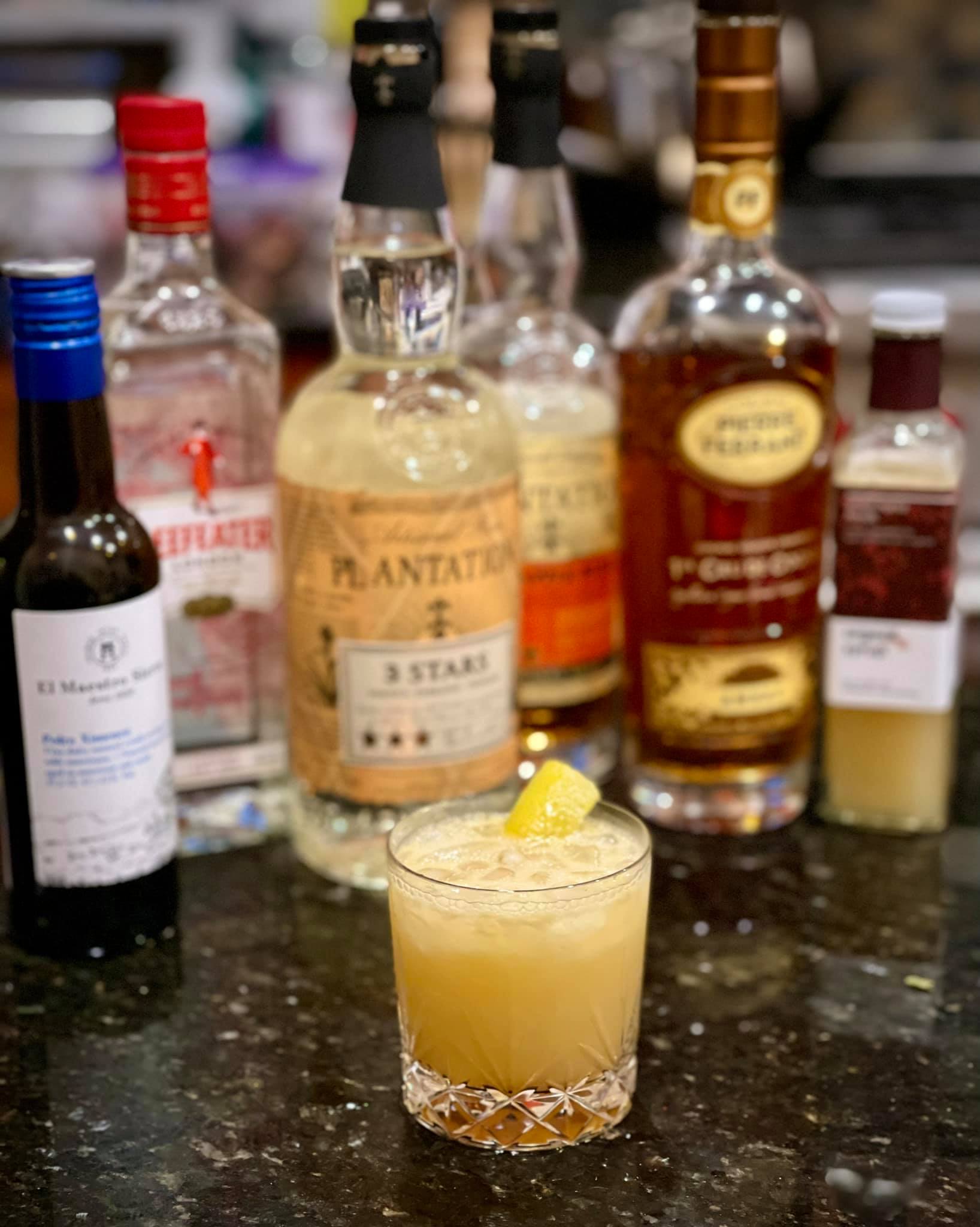
Indeed not the simplest tiki classic (pictured with ingredients at left); this is one of a handful of tiki classics with its namesake glassware. I haven’t picked up any Fogg Cutter mugs yet (we don’t have room for much more glassware!), but it sure is lovely.
Add a half handful of crushed ice, shaking until ice is mostly dissolved, then strain into a tiki mug over fresh crushed ice, then fill with fresh crushed ice.
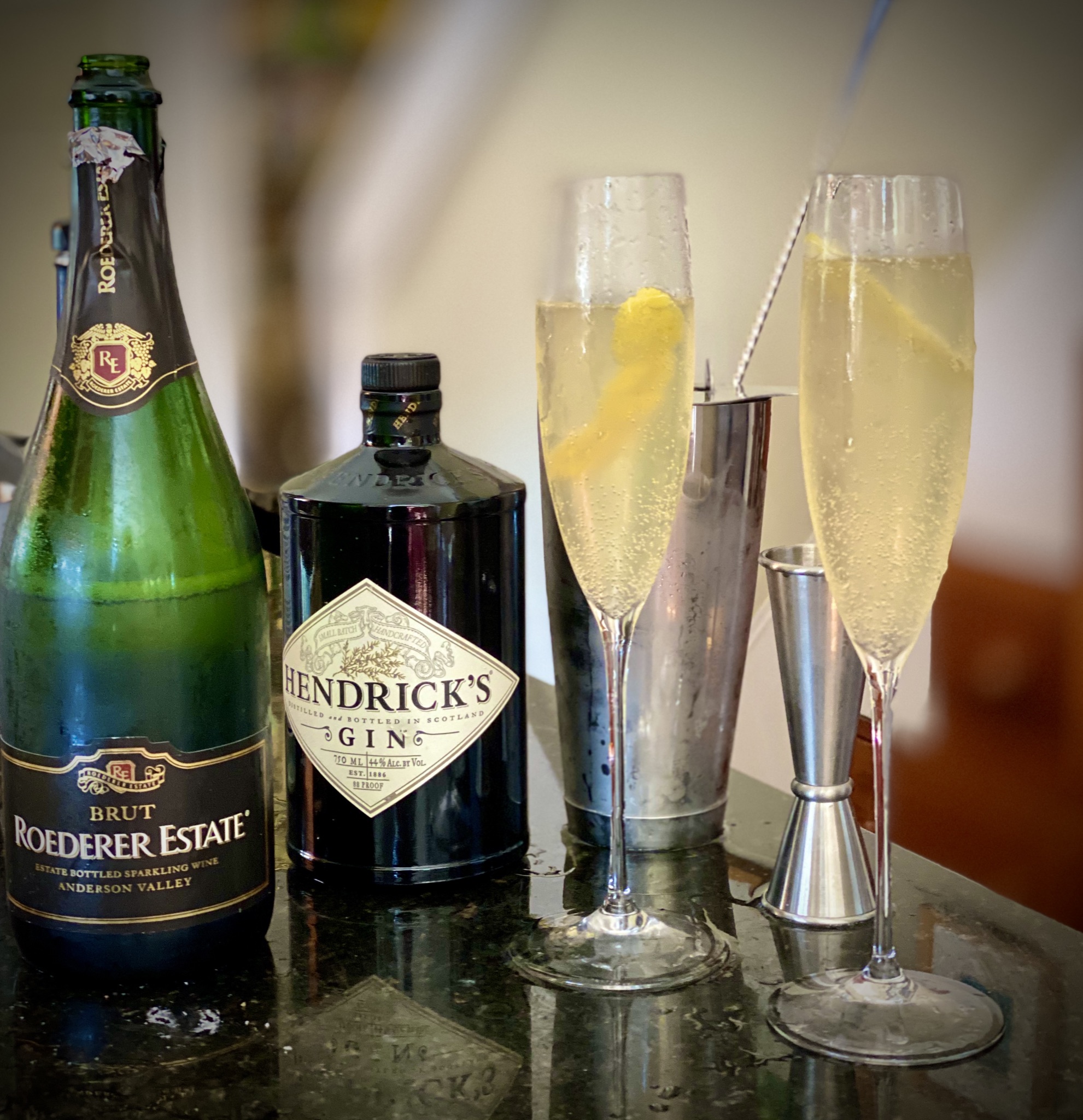
According to some sources, the French 75 is described as the only American classic cocktail born during Prohibition. But dig deeper, and that provenance becomes cloudy; in the mid-1800s Charles Dickens wrote about enjoying a gin and champagne cocktail that sounds suspiciously similar to what we now know as the French 75. Origins aside, the very makeup of this legendary drink is contested; the earliest versions are based on cognac, while gin only entered the picture later. But both are great! As cocktail historian David Wondrich explains, it’s not about who invented the drink but when the name was applied and stuck. When the formula combining gin or cognac, Champagne, lemon, and sugar took on the name of a World War I French army field gun, known for firing as many as 15 rounds a minute, the French 75 took on a life of its own.